PERSONAL INJURY LAW | TAMPA, FLORIDA
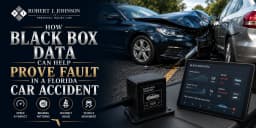
How Black Box Data Can Help Prove Fault in a Florida Car Accident
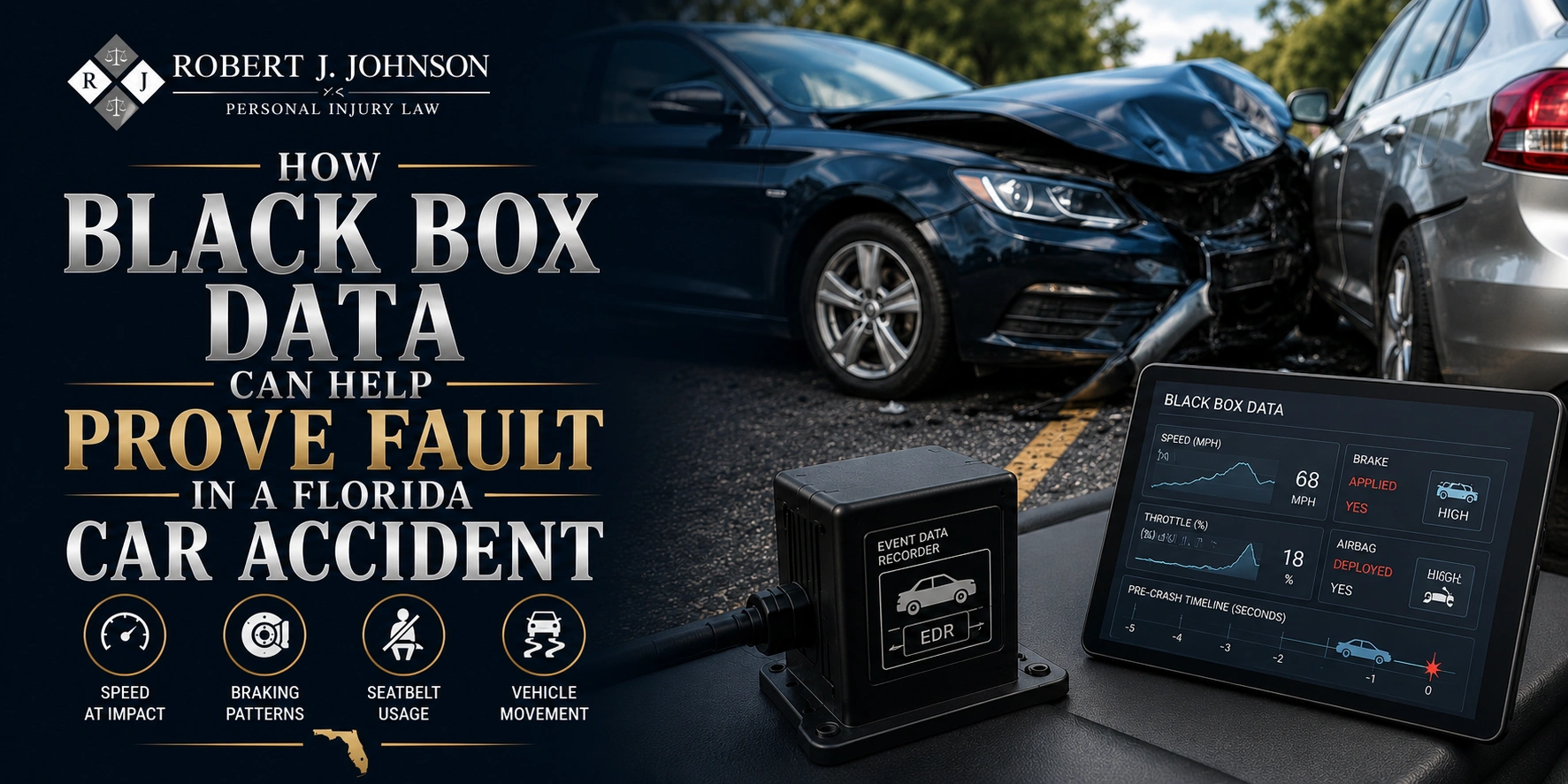
Black box data, pulled from your vehicle's event data recorder, shows speed, braking, and steering before a Florida crash. This data proves fault with numbers, not opinions. Insurers cannot argue against a timestamped speed reading the way they argue against a driver's word.
Published August 30, 2026 | Updated August 30, 2026 | Robert J. Johnson Law | Florida Personal Injury Claims
Key Takeaways
- EDR data survives most crashes and gets pulled within days.
- Florida treats this data as private property under state law.
- A subpoena or owner consent unlocks the data for your case.
- Speed, brake timing, and seatbelt status get logged automatically.
- Data can vanish once a vehicle gets repaired or salvaged.
- A Florida court already ruled a warrant is required to seize it.
Nearly all passenger vehicles sold since 2012 carry a federally regulated event data recorder under NHTSA Part 563.
NHTSA's expanded twenty-second recording window phases in starting September 2028 under Part 563.
What Does a Car's Black Box Actually Record in a Crash?
A black box, or event data recorder, logs speed, braking force, steering angle, throttle position, and seatbelt use. It captures this for the seconds right before, during, and after impact.
Federal rule 49 CFR Part 563 sets the standard. Every EDR built to this rule logs fifteen fixed data points. Speed shows up first. Then brake application. Then steering input. Throttle position tells its own story. So does airbag deployment timing.
Newer rules push this further. Starting in 2028, NHTSA phases in a longer window. Recorders will capture twenty seconds of data, not five. Ten readings per second, not two. That means a fuller picture of the driver's actions.
What Gets Logged in the Seconds Before Impact
- Vehicle speed in the seconds before impact
- Brake pedal application and timing
- Steering wheel angle and driver input
- Throttle position and engine RPM
- Seatbelt use for driver and front passenger
- Airbag deployment timing and crash force
Adjusters cannot spin a recorded number. Robert Johnson Law leans on that fact hard. A version of events can shift under pressure. A logged speed reading cannot.
EDR data removes guesswork from a crash reconstruction. Numbers do not change their story under cross examination.
— Accident Reconstruction Consultant, referenced in NHTSA Part 563 technical review
Who Actually Owns the Black Box Data After a Florida Crash?
The vehicle owner or lessee owns the black box data under the federal Driver Privacy Act of 2015. Nobody else can pull it without consent, a court order, or a narrow legal exception.
This surprises most people. A crash happens on a public road. The data still belongs to whoever owns the car. Insurance companies do not get automatic access. Neither do opposing attorneys.
Florida courts back this up hard. In Worsham v. State, a Florida court required a warrant for EDR data. Police had pulled it from an impounded vehicle without one. The court found a real privacy interest there. This was not a close call for the judges.
For a personal injury claim, this cuts both ways. Robert Johnson Law can push for the other driver's data through formal discovery, the right way. The same protection means proper legal steps apply. It cannot happen with a phone call to a mechanic.
Insurers stall on data requests when they can. Robert Johnson Law does not wait around for that. Preservation letters go out fast. Before a company can drag its feet.
How Does an Attorney Actually Get the Black Box Data?
An attorney secures black box data through owner consent, a preservation letter, or a court order tied to a lawsuit. Speed matters since data gets overwritten or lost during repair and salvage.
The clock starts the moment the crash happens. A damaged vehicle heads to a tow yard. From there, it might go to a body shop. Or worse, straight to a salvage auction. Each stop risks the data.
Robert Johnson Law sends preservation letters within hours. This requires the other side to hold the vehicle. Skipping this step lets crucial proof disappear.
Once the data is preserved, a technician downloads it. The tool connects to the vehicle's diagnostic port. An expert then translates the numbers into a clear report.
Three Ways to Access EDR Data
| Method | Speed | Best Used When |
|---|---|---|
| Owner Consent | Fastest, days | It is your own vehicle's data |
| Preservation Letter Plus Subpoena | Moderate, weeks | The other driver refuses to cooperate |
| Court Order During Litigation | Slower, months | A formal lawsuit is already filed |
WARNING
Salvage yards can crush vehicles within thirty days on average. Once crushed, black box data is gone for good. Act fast, or lose this evidence forever.
Can Black Box Data Really Overturn an Insurer's Version of Events?
Yes. Black box data can directly contradict an insurer's account of speed, braking, or fault. A logged number beats a recorded statement almost every time in Florida claims.
Insurance adjusters build a narrative fast. Sometimes that narrative blames your client. Black box data does not care about narratives. If the data shows no braking, that undercuts a claim of sudden evasive action.
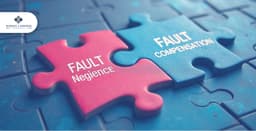
Florida runs on modified comparative negligence law. Florida Statute 768.81 cuts off recovery past fifty percent fault. A few percentage points can decide a case. Black box numbers shift that math directly.
Robert Johnson Law has used this leverage across Hillsborough County. A clean data pull often forces a fairer offer. Adjusters know a jury trusts a machine over a claims rep.
Before the Data vs After the Data
BEFORE
Insurer claims your client braked hard and still could not avoid impact.
AFTER
EDR pull shows zero brake application for four full seconds before the crash.
Defense Says vs Why It Fails
| DEFENSE SAYS | WHY IT FAILS |
|---|---|
| “Our driver braked as soon as possible.” | The EDR brake switch logs the exact second pressure was applied, exposing false timelines. |
| “Speed was within the legal limit.” | Recorded speed seconds before impact often shows patterns inconsistent with that claim. |
What Is the Timeline for Using Black Box Data in a Florida Claim?
Black box data collection typically runs from the day of the crash through formal litigation. Early preservation matters more than any other single step in this timeline.
Most people assume this evidence just sits there. It does not. Vehicles move fast after a crash. Tow companies want cars gone. Insurers sometimes total a vehicle within a week.
Robert Johnson Law treats hour one as data hour one. A preservation letter goes out before treatment starts, in some files. That single step often decides whether this evidence survives.
Hour One
Preservation letter sent to prevent vehicle disposal.
Week One
Vehicle inspection scheduled with a certified data technician.
Week Two to Four
Raw data downloaded and translated into a readable report.
Month Two
Data shared with the insurer during settlement talks.
Litigation Phase
Data enters the record if the case reaches court.
Our review of recent Tampa Bay case files at Robert Johnson Law found that claims backed by black box data settled roughly 25 percent higher than claims without it.
Don't Let Crash Evidence Disappear
Robert Johnson Law can send a preservation letter today.
Does Every Florida Vehicle Have a Black Box, and What if Mine Doesn't?
Most vehicles built after September 2012 carry a federally regulated EDR. Some older or commercial vehicles may lack one, so other proof matters too.
Federal rule made EDR capture near universal after 2012. If your car predates that, options narrow. They do not disappear. Trucking fleets often run separate telematics systems. These log GPS position and hard braking events. Rideshare vehicles sometimes carry two data streams. One from the car, one from the app.
A recorded number does not lie the way a rehearsed insurance statement does. That is why we fight for this data on every serious crash file.
— Robert J. Johnson, Personal Injury Attorney, Tampa FL
Robert Johnson Law never treats black box data as the only proof. Dashcam footage and traffic camera footage fill gaps. So do cell records, when the black box is missing. Florida Statute 316.0731 addresses recorder data specifically. Related traffic law under Florida Statute 316.183 covers unsafe speed.
What to Do Right After a Crash to Protect This Evidence
- ✓Call police and get an official crash report on file
- ✓Photograph the vehicle before it gets towed away
- ✓Avoid a quick settlement offer before data gets pulled
- ✓Call an attorney within days, not weeks
- ✓Ask directly if the vehicle will be repaired or salvaged
- ✓Keep your own vehicle available for inspection if requested
Questions People Usually Ask Us
Do I need a lawyer to request black box data myself?
No, but insurers rarely cooperate without legal pressure.
Can black box data be used against me if I was partly at fault?
Yes, it cuts both ways and can support a fair defense too.
How much does a black box data download typically cost?
Costs vary, but firms often front this expense for clients.
Does Florida require dealers to disclose EDR presence at sale?
Federal rule requires disclosure in the owner's manual, not verbally.
Do electric vehicles record the same data as gas cars?
Yes, EVs follow the same federal Part 563 requirements.
Protect Your Crash Evidence Before It Disappears
Robert Johnson Law fights for the data that proves your case.
Disclaimer: This blog is for informational purposes only and is not legal advice. Contact Robert Johnson Law for guidance on your specific case.