March 28, 2026
How Surveillance Footage Can Help or Hurt Your Claim?
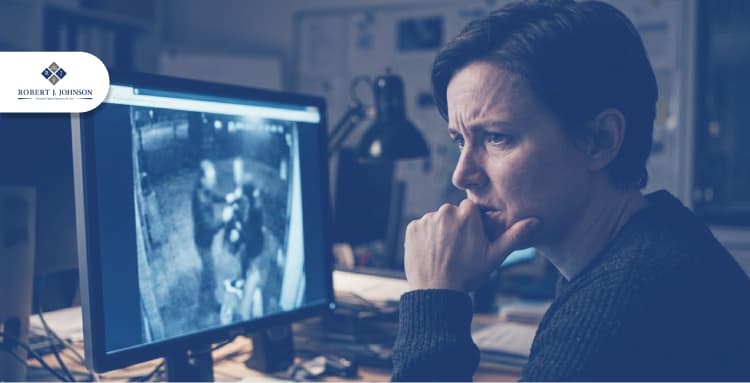
In today’s world, we are almost always on camera. From the doorbell at your neighbor’s house to the sophisticated systems in grocery stores, video technology is everywhere. In a personal injury case, this can be a double-edged sword. While a video shows the truth of an incident, that truth can either solidify your case or provide ammunition for the defense.
At the Law Office of Robert Johnson, we have seen how the role of surveillance footage can shift the trajectory of a claim. Whether you are dealing with a car accident in Tampa or a slip and fall in a local retail store, understanding how to obtain surveillance is critical to your success.
1) How Surveillance Footage Can Strengthen Your Case
When you are filing a claim for injuries claimed after an accident, the burden of proof rests on you. You must prove that another party’s negligence caused your harm. This is where visual evidence becomes your most powerful ally. According to the American Bar Association’s guidelines on evidence, physical and demonstrative evidence like video is often more persuasive than witness testimony alone.
(i) Proving Liability in Traffic Accidents
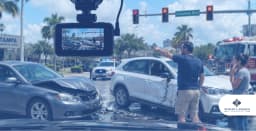
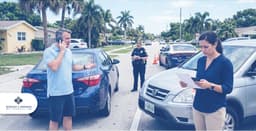
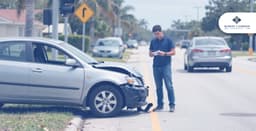
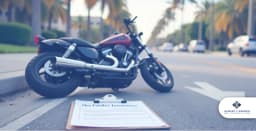
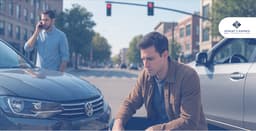
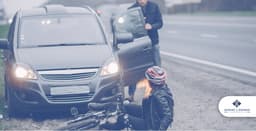
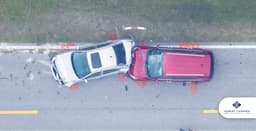
If you were struck by a driver who ran a red light, your word against theirs can be a difficult battle. However, traffic cameras or nearby business security cameras can capture the exact moment of impact. This video evidence is often admissible in court and can prevent insurance companies from shifting the blame onto you.
The National Highway Traffic Safety Administration (NHTSA) notes that intersections are the most common locations for serious collisions; having an objective "eye" on these spots is often the only way to secure a fair settlement. Furthermore, many modern vehicles are equipped with Event Data Recorders (EDR), which can be synced with video to provide a 360-degree view of the crash dynamics.
(ii) Documenting Hazards in Slip and Fall Cases
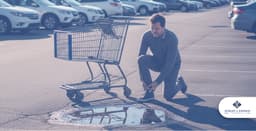
In many injury cases, footage shows the dangerous condition that caused the accident. For example, in a grocery store slip and fall, the video might show a spill that sat on the floor for hours without being cleaned. This proves the property owner had "constructive notice" of the hazard and failed to act.
Under Florida Statute 768.0755, the burden is on the plaintiff to prove the business had knowledge of the spill. Video is often the "smoking gun" that meets this strict legal requirement.
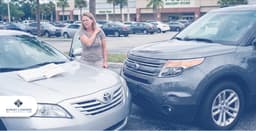
If you want to learn more about specific incidents, read our guide on Who Pays for Your Injuries After a Florida Parking Lot Accident.
(iii) Corroborating the Severity of the Incident
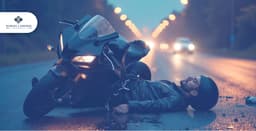
The force of an impact is often hard to describe in words. Footage can show the violent nature of a collision or the awkward way a person fell, which helps a jury or adjuster understand the mechanism of the injuries claimed.
When the Insurance Information Institute analyzes claim outcomes, they consistently find that documented visual proof speeds up the negotiation process and reduces the likelihood of a "denied" status based on lack of proof.
2) The "Hurt" Side: When Video Evidence Works Against You

While we usually look for footage that helps, you must be aware that property owners and defense attorneys are looking for footage that hurts.
Pre-Accident Movement: If a video shows you running or acting recklessly before a fall, the defense may argue "comparative negligence."
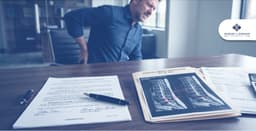
Post-Accident Behavior: If footage shows you getting up and walking normally immediately after an accident, but you later claim debilitating back pain, the insurance company will use this to challenge your credibility.
Social Media and Covert Surveillance: Be careful. Insurance companies sometimes hire private investigators to record you in public. If you claim a leg injury but are caught on camera carrying heavy groceries, it could destroy your claim. The Federal Trade Commission (FTC) provides resources on privacy rights, but generally, there is no "expectation of privacy" in public spaces where these recordings occur.
3) Why You Must Act Quickly to Obtain Surveillance
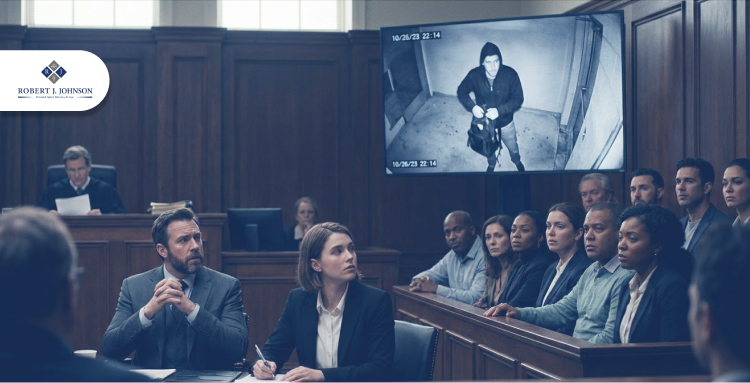
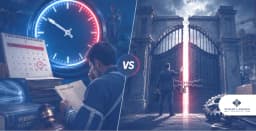
One of the biggest hurdles in any personal injury case is the "retention policy." Most private businesses loop their security cameras every 7 to 30 days. If you do not move quickly to preserve the data, it may be recorded over and lost forever.
A personal injury attorney knows how to send a "spoliation letter." This is a legal notice that Greenhouse or a retail store must preserve all video from the date of the incident. If they destroy the video after receiving this letter, they could face severe legal penalties.
For a deeper look at the rules of professional conduct regarding evidence, The Florida Bar provides extensive resources on how attorneys must ethically handle and preserve digital data.
4) The Importance of Professional Analysis
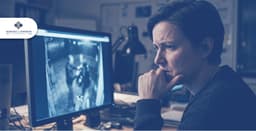
Not all videos are high-definition. Sometimes the footage is grainy or recorded from a bad angle. Our team works with forensic experts to enhance and analyze the role of surveillance footage to ensure it clearly supports your version of events.
In some cases, we utilize the National Institute of Justice (NIJ) standards for digital forensic evidence to ensure that any enhancements we make are legally sound and won't be thrown out by a judge.
For more tips on what to do immediately following an accident, check out our blog on Why You Should Never Ignore Minor Pain After a Car Accident.
5) Local Expertise for Tampa Bay Residents
In Florida, and specifically in the Tampa Bay area, local laws and court procedures can be complex. Choosing a lawyer who knows the local intersections, the common practices of Florida property owners, and the specific judges in Hillsborough County makes a difference.
At the Law Office of Robert Johnson, we know the streets of Tampa, the intersections of Brandon, and the businesses of Clearwater. Whether your accident happened near Busch Gardens or on a quiet street in Lutz, we know where to look for the cameras.
We pride ourselves on being a law firm that combines big-city resources with small-town personal service. When you call us, you aren't just a case number; you're a neighbor who deserves justice. Our deep understanding of local Florida laws—like the Florida Statutes on Negligence—ensures your claim is handled with the highest level of professional care.
6) Why You Need Robert Johnson on Your Side

Robert Johnson has over 20 years of experience in the legal and insurance industries. He understands the tactics insurance companies use to devalue your claim and knows how to use visual evidence to fight back. Whether your accident happened in Apollo Beach, Brandon, or downtown Tampa, we are ready to help.
If you’ve been injured, don't wait for the footage to disappear. We can help you:
Identify all potential security cameras and traffic cameras near the scene.
Send formal legal demands to obtain surveillance before it is deleted.
Ensure the video evidence is properly authenticated so it is admissible in court.
Combat any misleading footage the defense tries to use against you.
To see how we handle complex liability issues, read about Who's Responsible for Burn Injuries from Faulty Products.
We offer free consultations and operate on a contingency fee basis. For a free consultation, contact us at (813) 540-3225 or visit our office at 1211 Tech Blvd. Suite #110, Tampa, Florida 33619. You can also visit our Personal Injury page to learn more about your rights.
Frequently Asked Questions
Is a dashcam video admissible in court?
Yes, usually. As long as the footage can be authenticated (meaning we can prove it hasn't been tampered with), dashcam video is a very strong form of evidence in Florida car accident cases.
Can I get traffic camera footage myself?
It is difficult. Many city-owned cameras are for live monitoring only and don't record. Those that do record often require a specific legal request through the Department of Transportation or local law enforcement.
What if the store claims their camera was broken?
This happens more often than you'd think. An experienced personal injury attorney can investigate maintenance records to see if the camera was truly broken or if the store is simply trying to hide the truth.