Personal Injury Law | Florida Crash Evidence
How Dashcam Footage Can Strengthen Your Personal Injury Claim in Florida
Dashcam footage shows what actually happened during a crash.
Updated May 14, 2026 | Robert J. Johnson Law | Central Florida Injury Claims
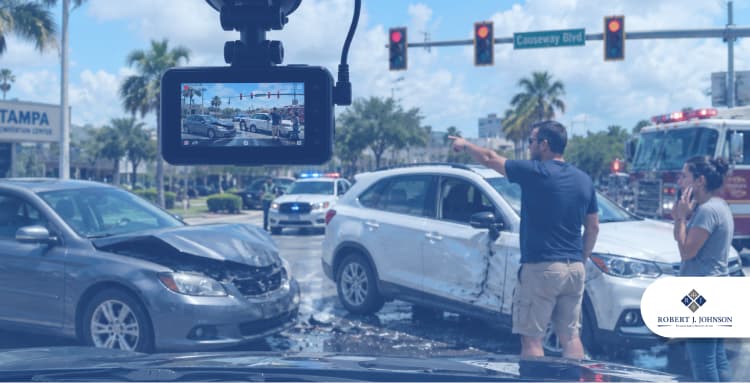
Dashcam footage shows what actually happened during a crash. In Florida, where fault decides compensation under the 51% rule, this type of recording can influence how a claim is reviewed. It helps reduce disputes and often leads to quicker settlement decisions.
Key Takeaways
- Records driving behavior during the crash
- Reduces disputes over fault
- Helps keep fault under 50%
- Provides time and location data
- Supports hit and run identification
- Helps claims move faster
Florida Fault Rules and Video Impact
Florida uses a fault-based system where compensation depends on each driver's share of responsibility. Video often plays a strong role in how that responsibility is assigned.
The 51% Rule and Its Impact
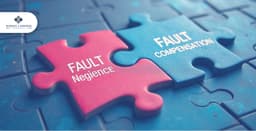
Florida law blocks compensation if fault goes above 50%. This makes fault division central in every claim. Insurance companies often try to increase a driver's share of fault to reduce payouts.
How Dashcams Capture Fault in Real Time
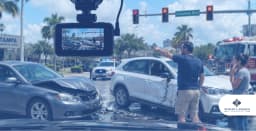
A dashcam records speed, braking, and vehicle movement before impact. It shows how each driver acted in the moments leading up to the crash. This reduces reliance on memory or verbal accounts.
Why Percentages Decide Your Financial Recovery
Compensation changes based on fault percentage. Even small differences can affect the final amount. If fault passes 50%, no compensation is available under Florida law.
You may also want to read about who pays for injuries after a Florida parking lot accident, particularly in cases where fault is shared.
According to the Florida Department of Highway Safety and Motor Vehicles, more than 360,000 crashes were reported, many involving disputes over signals and right of way.
Florida crashes reported in 2025 (FLHSMV)
People injured in U.S. crashes each year (CDC)
Witness Testimony and Common Gaps
People involved in crashes often remember events differently. Stress and shock can affect how details are recalled.
Memory Gaps After a Crash
People often miss details during a crash because attention shifts to reacting. Later recollections can be incomplete or slightly different. This leads to gaps in statements.
Conflicting Stories and Insurance Disputes
Witnesses may describe speed, signals, or timing in different ways. These differences can create uncertainty during claim review. Insurance companies may use that uncertainty to reduce payouts.
How Video Brings Consistency
Dashcam footage stays the same every time it is viewed. It shows a fixed sequence of events without change. This helps match physical evidence with what actually happened.
Video Evidence and Settlement Amounts
Insurance companies base decisions on available evidence and risk assessment. Video often shifts how they evaluate a claim.
How Insurance Companies Evaluate Claims
Insurance adjusters review reports, statements, and available footage. If the fault is not clear at all, they may reduce or dispute the claim. Limited evidence often leads to longer review times.
Why Video Increases Payout Potential
Clear footage makes it harder to dispute fault. It reduces arguments about shared responsibility. This often leads to settlement amounts that better reflect actual losses.
Faster Resolutions With Strong Proof
When footage is available, insurers can review events quickly. This reduces the need for extended investigation. Decisions are often made sooner.
You may also find it helpful to explore how security camera recordings can help or harm a personal injury case.
Were You Injured in a Florida Crash?
Get a free consultation with Robert J. Johnson today. He comes to you.
Dashcam Footage and Claim Speed
Claims often take time when fault is unclear or disputed. Video can shorten that delay by showing what happened immediately.
Reduced Investigation Delays
Dashcam recordings show what happened without delay. This reduces reliance on reports and interviews. Fewer unknowns often shorten the review process.
Immediate Clarity for Insurance Adjusters
Adjusters can review footage shortly after a crash. This helps them determine fault without waiting for extra information. Decisions often happen faster as a result.
Early Settlements and Financial Relief
Faster review can lead to earlier payouts. This helps cover medical and repair costs sooner. It also reduces waiting time during recovery.
Dashcam vs. No Dashcam: Claims at a Glance
| Claim Factor | Without Dashcam | With Dashcam |
|---|---|---|
| Fault clearly established | No - Disputed | Yes - On Record |
| Settlement reached faster | No - Delayed | Yes - Expedited |
| Insurance payout reduced | Often - Yes | Rarely - Stronger Claim |
| Witness conflicts neutralized | No - Unresolved | Yes - Video Prevails |
| Hit and run ID possible | Difficult | Yes - Plate Captured |
| Audio statements preserved | No - Lost | Yes - Exact Words |
Florida Recording Laws and Driver Awareness
Florida has specific rules about recording conversations, especially when audio is involved. These rules affect how dashcam recordings are used.
Public vs Private Conversations
Under Florida Statute 934.03, private conversations usually require consent from all parties. Conversations in public spaces like roads after a crash are treated differently due to lower privacy expectations.
When Audio Can Be Used as Evidence
Statements made at the scene are often spontaneous. Courts may accept them as reliable because they are not prepared in advance. Dashcams record these statements as they happen.
Situations That Require Caution
Audio inside a private vehicle may raise privacy concerns. Passengers may not expect recording in all situations. These factors can affect how audio is used later.
Audio Evidence and Claim Support
Audio adds extra detail that helps explain what happened during a crash. It captures speech and reactions that video alone may not show.
Captured Statements at the Scene
Drivers sometimes admit fault right after a crash. Dashcam audio records these statements exactly as spoken. This helps prevent later changes in their account.
Tone, Behavior, and Context
Audio can show stress, confusion, or anger. These reactions help explain what was happening during the crash. It adds detail that video alone may not show.
Support Beyond Visual Footage
Written reports often summarize events. Audio preserves real conversations. Together, they provide a more complete record of what happened.
Fault threshold above which Florida law bars all compensation
Years Robert J. Johnson has spent fighting for injured Floridians
According to the Centers for Disease Control and Prevention, more than 2 million people are injured in crashes each year in the United States.
Dashcam Selection for Legal Use
The type of dashcam used can affect how useful the footage becomes later. Image quality and durability play a major role.
4K Resolution and Detail Accuracy
Higher resolution captures small details like license plates and signs. Lower resolution can blur important information. Clear footage is easier to rely on.
High Frame Rate and Motion Clarity
Higher frame rates show smoother movement. This helps when reviewing fast actions like turns or sudden stops. Timing becomes easier to understand.
Durability in Florida Conditions
Heat and humidity can affect electronics. A reliable dashcam should perform consistently in those conditions. Stable recording reduces the risk of missing footage.
Footage Storage and Protection
Recording is only useful if the footage is preserved properly after a crash. Handling it the right way helps keep it usable.
Prevention of Automatic Deletion
Dashcams often overwrite old recordings. Saving the file after a crash prevents loss. Quick action helps protect evidence.
No Edits or Alterations
Edited footage can raise questions later. Even small changes may affect credibility. Original files carry stronger value.
Original File Preservation
The original recording should be stored safely. Backups can be created without changes. This helps maintain trust in the file.
Chain of Custody and Evidence Control
Evidence needs a clear record of handling to remain reliable. This helps show that the footage has not been changed.
Chain of Custody Definition
This is the record of who handled the footage and when. It shows the file has not been changed. Proper records support authenticity.
Verification Process
Secure storage and access logs track how the file moves. This creates a clear history of the evidence. It reduces questions about tampering.
Risks From Poor Handling
Missing records or altered storage can create doubt. This may weaken how the footage is viewed. Proper handling helps avoid those issues.
Ready to Strengthen Your Claim?
Available 24/7 | Tampa, Florida | No upfront cost.
Dashcam footage creates a steady record of what happens on the road. In Florida, where fault decides compensation, that record often influences how a claim is assessed. When events are captured as they happen, there is less room for disagreement about what took place.
For guidance on how this type of evidence may support a claim, contact Robert J. Johnson to discuss your situation.
Frequently Asked Questions
Can police take a dashcam at the scene?
Police usually need consent or a warrant. Without legal grounds, the device is not taken.
Can compensation still be received with shared fault?
Yes. Recovery is possible if fault is 50% or less. The payout depends on the final percentage assigned.
Do dashcams reduce insurance cost?
They do not lower premiums directly. However, they can help avoid increases after an accident.
Is recording police allowed?
Yes. Recording public officers during duty is generally allowed in Florida. It must stay within legal limits.
Where should a dashcam be placed?
Behind the rearview mirror works best. This position keeps the road view open and avoids obstruction.
Disclaimer: This article is for general informational purposes and does not form an attorney-client relationship. For help with any personal injury case, reach out to Robert Johnson.