April 13, 2026
What Is Loss of Consortium in a Florida Personal Injury Claim?
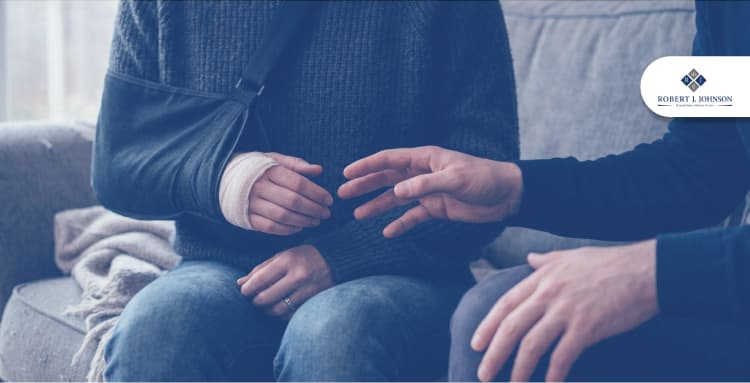
A serious accident does not only affect the injured person. It often changes the entire dynamic of a family. When a spouse or loved one can no longer provide the same level of companionship, care, or emotional support, the law recognizes that loss.
In Florida personal injury cases, this type of harm is known as "loss of consortium." It is a non-economic damage that allows certain family members to seek compensation for the impact an injury has on their relationship.
Unlike medical bills or lost wages, these damages focus on the human side of injury. They address what has been taken from a relationship, not just what has been lost financially.
If you are dealing with a serious accident in Tampa or anywhere in Florida, understanding your rights around a Florida loss of consortium claim can make a meaningful difference.
1) What Is Loss Of Consortium Damage In Florida?
In Florida, loss of consortium is a non-economic claim that compensates a spouse for the loss of companionship, affection, intimate relations, and household services after a serious injury or wrongful death caused by negligence.
The legal foundation comes from Gates v. Foley, where the court confirmed that marriage includes emotional connection, companionship, and shared life responsibilities.
What makes this damage unique:
It focuses on relationship loss, not financial loss
It is awarded to the uninjured spouse or family member
It reflects both emotional and functional changes in daily life
Loss of consortium vs pain and suffering
It is important to distinguish between these damages:
Pain and suffering belongs to the injured person
Loss of consortium belongs to the spouse or family member
For example, if a person in Tampa suffers a spinal injury and can no longer engage in daily family life, the injured person may claim pain and suffering, while their spouse may pursue loss of companionship Florida damages.
2) Florida Law For Loss Of Consortium
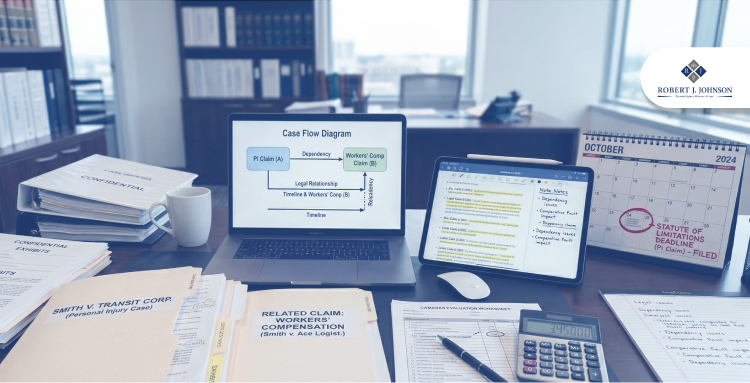
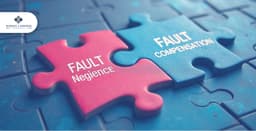
A Florida loss of consortium claim is considered a derivative claim. This means it depends entirely on the success of the underlying personal injury case. If negligence cannot be proven, the consortium's claim will not succeed.
Key legal structure:
Recognized under Gates v. Foley
Expanded to children under Florida Statute §768.0415
Subject to limits in government cases under Florida Statute 768.28
Florida also follows modified comparative negligence under Florida Statute 768.81. If the injured person is more than 50% at fault, recovery may be barred. If they are 30% at fault, the court will reduce your consortium award by that same 30%.
Important legal rules:
Must be tied to a valid personal injury claim
Must involve a serious or permanent injury
Must involve a legally recognized relationship
The statute of limitations in Florida is generally 2 years, so filing a loss of consortium claim in Florida must happen within that timeframe.
3) What Qualifies As Loss Of Consortium?
Loss of consortium refers to the loss of intangible benefits in a relationship caused by another party’s negligence. It includes both emotional and practical disruptions.
Important factors for loss of consortium claims
Loss of Companionship and Society: The loss of shared time, affection, and companionship.
Intimate Relations: Disruption or loss of marital intimacy.
Household Services: Loss of help with childcare, cooking, and daily responsibilities.
Emotional Support: Loss of guidance, comfort, and stability.
Requirements to claim:
Legal marriage at the time of injury
Severe or permanent injury, such as:
spinal cord injuries
traumatic brain injuries
severe burns
Negligence or wrongful conduct
Temporary injuries may not qualify unless they significantly disrupt the relationship. Courts often focus on long-term or permanent changes.
4) Who Qualifies For A Loss Of Consortium Claim?
In Florida, loss of consortium claims are primarily limited to spouses. However, certain exceptions exist.
Legally married spouses: The most common type of spousal consortium claim.
Children (parental consortium): Allowed under Florida Statute §768.0415 when
The parent suffers permanent total disability
The child is dependent
Parents (filial consortium): In limited cases involving serious injury to a child.
Important limitations:
Unmarried partners usually do not qualify in Florida.
The relationship must have existed before the injury occurred.
This makes Florida more restrictive than some other states, which is an important factor when evaluating eligibility.
More for you: What Happens if a Child Is Injured at School in Florida
5) How To Prove A Loss Of Consortium Claim?

To succeed, you must show that the injury caused a real and measurable change in the relationship.
Essential elements to prove:
Valid marriage or qualifying relationship
Negligence and liability in the underlying case
Significant impact on the relationship
Clear emotional and functional loss
Types of evidence that strengthen a claim:
Medical records and treatment history
Expert witness testimony
Statements from family and friends
Photos and videos showing lifestyle changes
Personal journals documenting daily impact
Practical steps to build a strong claim:
Document daily routine changes
Track caregiving responsibilities
Record emotional and physical limitations
Strong documentation helps show the full impact on the family dynamic, which is critical in proving intangible harm.
6) How Much Is A Loss Of Consortium Claim Worth?
Loss of consortium damages in Florida can range from tens of thousands to several hundred thousand dollars. In severe cases, awards may exceed one million dollars. There is no fixed formula because these are non-economic damages.
Factors Influencing Value:
Severity and permanence of the injury
Impact on companionship and daily life
Length and quality of the relationship
Age and life expectancy
Strength of evidence
Jury perception
Remember!
No general cap on noneconomic damages.
Government cases may be limited under Florida Statute 768.28.
Each case is evaluated individually, which is why experienced legal guidance is important when estimating value.
7) How Do You Calculate Loss Of Consortium?

There is no standard formula for calculating loss of consortium damages; Florida courts rely on a case-by-case approach. Common methods used:
Per diem approach: Assigns a daily value to the loss over time
Multiplier method: Applies a multiplier to economic damages
Jury discretion: Most common method in Florida
What courts consider:
Severity of lifestyle changes
Emotional impact
Long-term relationship disruption
Credibility of testimony
8) Is Loss Of Consortium Difficult To Prove?
Yes, these claims are often challenging because they involve subjective losses rather than financial records.
Why these claims are difficult:
No direct financial documentation
Requires discussing private relationship details
Defense may challenge the strength of the relationship
Jury perception can vary
Common defense strategies:
Arguing the relationship was already strained
Minimizing the injury’s impact
Questioning credibility
How to strengthen your case:
Provide consistent and honest testimony
Use expert witnesses
Present clear before-and-after evidence
Final Verdict
If your spouse or loved one has been seriously injured, the impact on your life goes beyond medical bills. You may have the right to pursue compensation for the loss of companionship, support, and connection that once defined your relationship.
Robert J. Johnson, personal injury attorney, serving clients across Tampa, Florida, understands how personal and complex these claims can be. Our team focuses on building strong, evidence-based cases that reflect the full impact of your loss.
Schedule a consultation today to learn more about your rights and options for filing a loss of consortium claim in Florida.
Disclaimer: This article is for general informational purposes and does not form an attorney-client relationship. For help with any personal injury case, reach out to Robert Johnson.