December 7, 2025
What If a Delivery Driver Hits Me on a Bike in Florida
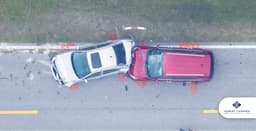
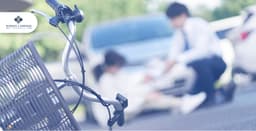
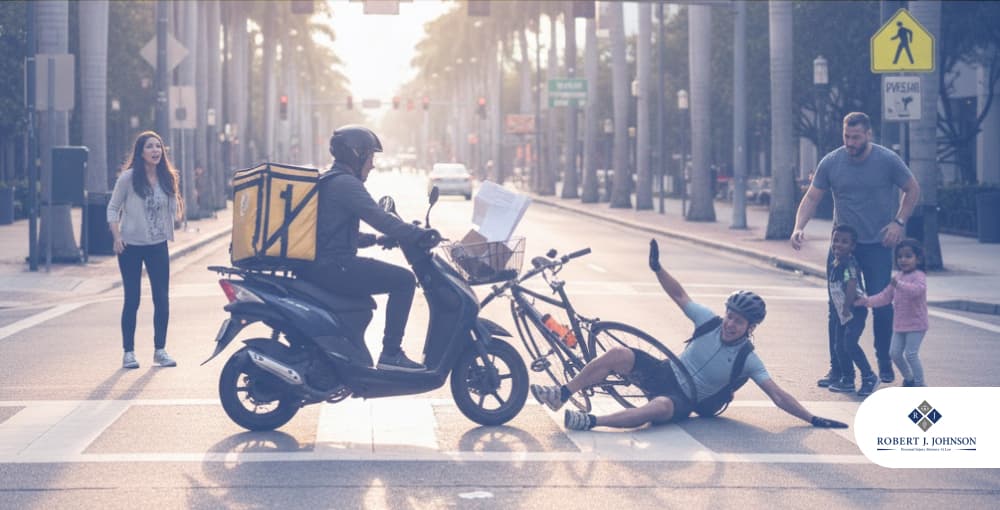
I was on my way to the office one afternoon when I watched a delivery rider crash straight into a cyclist. As a lawyer, I see accidents on paper every day; however, watching one unfold a few feet away hits differently. Many of the people who come to see me carry the same worry, “What if a delivery driver hits me on a bike?” And they have no idea where to begin.
From my side of the desk, the real answer starts with timing, clear medical records, and confirming whether that driver was actually working, because that single detail can shift the entire insurance path. If they were on an active delivery, their employer’s insurance may come into play, offering additional layers of coverage.
If not, the situation becomes more complicated, and the driver’s personal insurance may be the main recourse. Cases like these move fast, and the part that seems obvious in the moment is rarely the part that decides how the claim ends.
1) Immediate Steps You Should Take After a Delivery Driver Hits You on a Bike
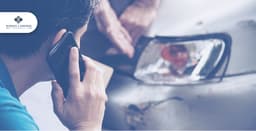
The moments right after a crash are critical, and it’s quite common, such as being hit by a driver using a rideshare app (Uber/Lyft). I always tell my clients that what you do first can affect the strength of your entire claim. Safety comes first. Move to a secure spot if possible, check yourself for injuries, and call 911 even if the crash seems minor. Police reports carry a lot of weight, and having an official record of the incident can make a difference later.
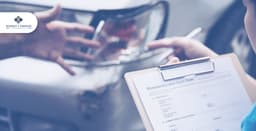
Next, gather evidence while it’s fresh. Take clear photos of your bike, the vehicle, the road conditions, traffic signals, and any skid marks. If there are witnesses, get their names and contact information. These details often become central when I argue liability on behalf of a cyclist.
Do not underestimate medical documentation. Seek treatment immediately, even for pain that feels minor, because Florida’s PIP rules require timely reporting for coverage to apply. Keep all medical records, bills, and prescriptions organized. When I review cases, I see how early documentation can shift a claim from uncertain to solid.
Finally, be cautious with statements to the driver or their insurance. I always advise my clients to avoid admitting fault or speculating on what happened. A short, factual account for the police is enough. The rest can be handled after consulting a legal professional.
2) How Insurance Works When a Delivery Driver Is Involved

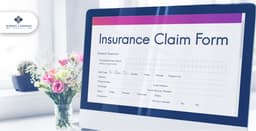
Florida starts with PIP (Personal Injury Protection), the no-fault system that covers part of your medical bills and lost wages, no matter who caused the crash. These benefits come from your own auto policy if you have one. Florida Statute § 627.736 lays out those basics and requires you to get medical care within 14 days for the coverage to apply. That rule often surprises cyclists, which is why I encourage quick treatment.
The next layer depends on the delivery driver’s status. If they were actively working, meaning they were picking up or dropping off an order, then I look for commercial coverage tied to the company. Many app-based platforms provide insurance the moment a driver accepts a task. The laws that govern these setups, like Florida Statute § 627.748 for transportation network companies, show how coverage can shift once a driver logs into a platform.
Even though that statute deals with rideshare services, the same structure often applies to delivery companies. I start by checking the driver’s personal insurance, since many policies exclude work-related driving, which can shift responsibility to the delivery company’s coverage.
Most cyclists do not expect that; however, it is often the turning point. To see which insurance provider must respond first, I look at a few essentials: whether the driver was on the clock, completing a delivery, or covered by an app-based policy at that moment. Those details usually decide where your claim belongs.
3) Why the Driver’s Work Status Changes Everything
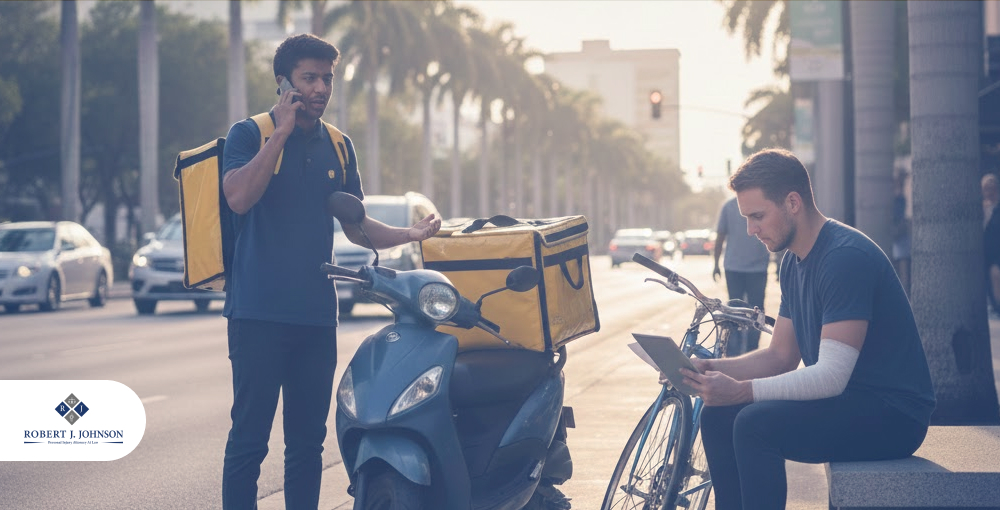
From where I sit, whether the driver was working at the time often decides how the whole case unfolds. If the driver was on the job, their employer or the app platform may be pulled into responsibility, which usually means broader insurance coverage and different rules for your claim.
Put simply, “course and scope of employment” means the driver was acting within their job duties when the crash happened. If so, the company can be liable, and a commercial or platform policy may come into play instead of just the driver’s personal policy. If the driver was off duty or not on a delivery task, then the story typically points back to their personal insurance.
For context, Florida saw around 7,132 bicycle crashes in 2022, with 212 fatalities, showing how exposed cyclists are on the roads. Those statistics remind me why I tell clients that the process is more than exchanging insurance cards. It’s about confirming coverage quickly, documenting what the driver was doing, and preserving your medical timeline under Florida law.
4) The Damages You May Recover
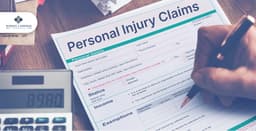
The types of compensation you can pursue are governed primarily by Florida’s Personal Injury Protection (PIP) statute, Florida Statute § 627.736, and the broader Florida negligence laws under Chapter 768, Florida Statutes, which cover liability and damages.
Economic losses include medical bills, therapy costs, prescription expenses, lost wages, and out‑of‑pocket expenses like bike repairs. Under Florida negligence law, these are recoverable if you can prove the driver’s fault contributed to your injury.
Noneconomic damages cover pain and suffering, emotional distress, and loss of enjoyment of life. While PIP handles some medical and wage costs automatically, these noneconomic damages require establishing liability through Florida’s civil courts.
As I guide clients, documenting every cost and symptom early is important, because the statutes set strict timelines and evidence requirements for getting you financial and legal benefits.
5) How I Build a Claim for Injured Cyclists

When a cyclist comes to me after being hit by a delivery driver, my goal is simple: turn a confusing, stressful accident into a clear path toward fair compensation. I focus on a few core steps that shape every claim I handle.
Collecting Strong Evidence
The first thing I do is make sure every detail is documented. Photos of the crash, your bike, and visible injuries capture the scene as it happened. Gathering other witness statements, delivery app timestamps, and every medical record from ER visits to follow‑ups.
Managing Communication with Insurance company
Insurance companies often try to minimize payouts or delay claims. I step in to present your case clearly, answer adjuster questions strategically, and protect you from saying anything that could weaken your position.
Assessing Liability and Coverage
I review whether the driver was on duty, examine their personal and any commercial policies, and confirm which insurer is responsible. This step ensures there are no surprises and that we pursue the right avenue for compensation.
Preparing for Litigation if Needed
Not every case goes to court; however, I prepare for that possibility from day one. I organize a clear timeline of events, review relevant Florida statutes, and calculate damages
When You Need A Legal Support By Your Side
If you’ve been hit by a delivery driver while riding your bike, the first step toward fair compensation is reaching out early. I’m Robert J. Johnson, and I guide cyclists through every stage of their claim, from documenting injuries to settlement from insurance and, if needed, litigation.
If you want clarity, guidance, and someone experienced in your corner, together, we can review your situation, identify which insurance policies apply, and ensure every detail of your claim is protected. Reach out for a free, no‑obligation consultation; call me at (813) 540‑3225. Justice starts with a simple conversation.