January 14, 2026
What If I Was Injured During a Hurricane Evacuation?
When you are injured during a hurricane evacuation in Florida, you may assume that "Acts of God" or emergency chaos shield everyone from liability. This is a misconception. While weather is uncontrollable, human negligence is not. Whether you were involved in a car accident on a congested evacuation route, injured in a poorly maintained emergency shelter, or hurt by a property owner's failure to secure dangerous debris, you still have the right to seek compensation.
However, because these injuries occur during a state of emergency, unique legal hurdles apply, including shortened notice periods for claims against government entities and "Good Samaritan" immunity for certain responders.
Negligence is still negligence even when it is raining sideways. If you were hurt while trying to evacuate I want you to know that you might have a case. You might have rights to compensation that you do not even know about.
1) Why "Act of God" Is Not Always a Valid Defense for
Let us start by clearing up the biggest misconception out there. Insurance adjusters love to throw around the phrase "Act of God," or sometimes, "force majeure." It sounds final. It sounds like something you cannot argue with. They want you to believe that the hurricane caused your injury and therefore their client is off the hook.
Do not believe it.
Yes, a hurricane is a natural event. No one can control the wind or the rain. However, we can control how we prepare for it. We can control how we drive in it. We can control how we maintain our property before the storm arrives.
If a healthy tree is ripped out of the ground by one hundred mile per hour winds and lands on your car, that might be an Act of God. But let us say your neighbor had a dead rotting tree in their yard for five years. Let us say you asked them to cut it down, and they ignored you. If that tree falls on you during the evacuation, that is not just nature. That is negligence.
2) The Chaos on the Roads
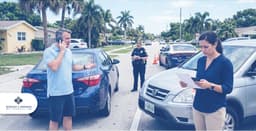
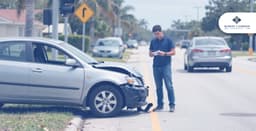
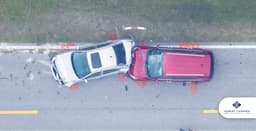
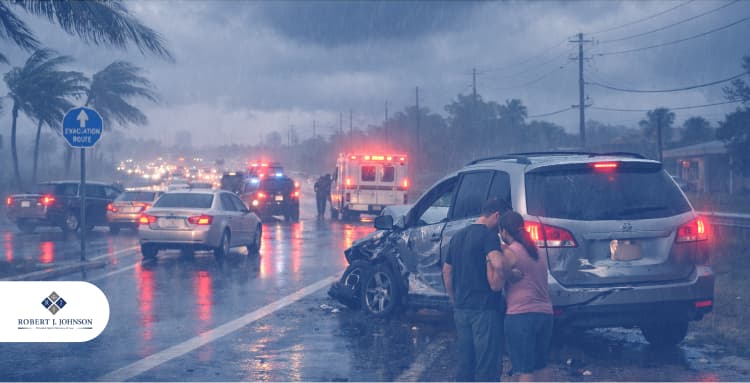
The most common place I see injuries during an evacuation is on the road. We have all seen the pictures of the highways turned into parking lots, leaving at the same time. When people are scared, they make bad decisions behind the wheel.
I see drivers driving on the shoulder to cut ahead. I see people checking their phones for weather updates instead of watching the brake lights in front of them. However, The duty to drive safely does not vanish just because there is a mandatory evacuation order. In fact, I would argue the duty is even higher. We all know the conditions are dangerous. And every driver needs to be more careful, not less.
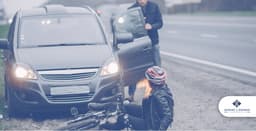
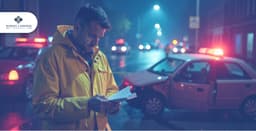
If someone hits you while you are evacuating, they are liable for your damages. It does not matter if they were rushing to get away from the storm. Their panic does not give them a free pass to put your life in danger. I handle cases like this all the time. We look at the police report and the damage and prove that the other driver failed to act reasonably. You deserve to be compensated for that.
3) Property Owners Who Ignore the Warnings
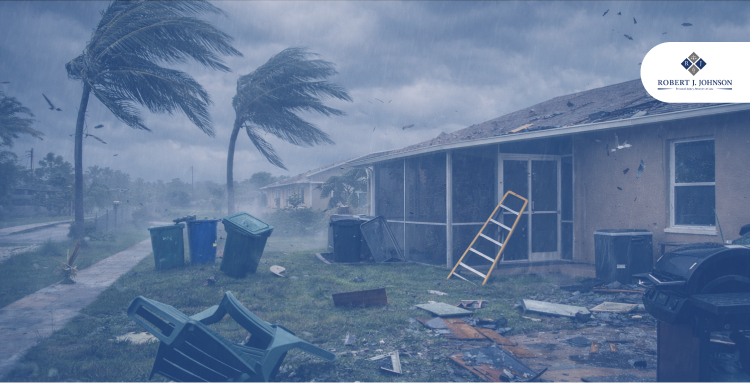
Another major source of injury is premises liability. This is just a legal way of saying that property owners have a responsibility to keep their land safe for others. When a hurricane is approaching, we all have a list of things to do. We make sure there is nothing loose that could turn into a missile.
However, not everyone does this.
I have seen cases where businesses left heavy signs unsecured. Construction sites where loose lumber was left piled up in an open lot. When the winds pick up, these items become deadly. If you are walking to your car or waiting in line for gas and a piece of unsecured plywood hits you, the property owner can be held responsible.
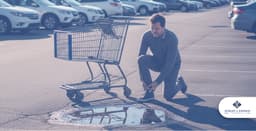
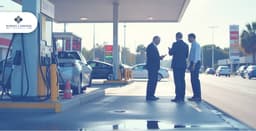
They knew the storm was coming. The news warned everyone for days. Failing to secure that property is a clear failure of their duty of care. It also applies to the inside of businesses. Gas stations and grocery stores are packed before a storm. They have a duty to make sure their floors are not slippery and their aisles are clear. If you slip and fall because they were too busy counting money to mop up a puddle near the entrance, they are liable for your injury.
4) When the Government Lets You Down
This is a trickier area; however, it is one we need to talk about. Sometimes the injury is caused by the very roads or shelters that are supposed to keep us safe.
Municipalities and government agencies have a job to do. They are responsible for maintaining the roads. They are responsible for the safety of public shelters. For example, you are at a public shelter and the stairs collapse because of poor maintenance.
Suing the government is harder than suing a private citizen. There are different rules and shorter deadlines. They have something called sovereign immunity, which protects them from many lawsuits. However, if we can prove they knew about a hazard and did nothing to fix it or warn you about it, we might have a way forward.
Do not try to handle a claim against the city or state on your own. The paperwork alone is a nightmare designed to make you give up. You need a lawyer who knows the specific statutes and loopholes to get you justice.
5) Employers Who Put Profit Over Safety
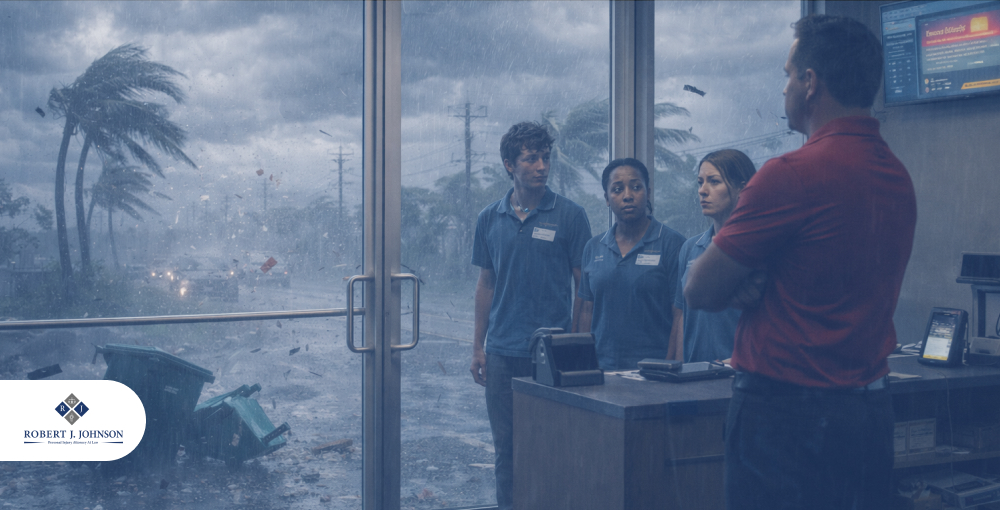
Some employers refuse to let their workers leave until the very last minute. I have had clients who were forced to stay on the road when the winds were already dangerous. Clients who worked in retail stores where the manager threatened to fire them if they evacuated early.
If your employer forced you to work in unsafe conditions and you were injured as a result, you might have a claim. Usually these injuries fall under workers compensation. That system pays for your medical bills and some of your lost wages regardless of who was at fault.
However, there are times when an employer acts so recklessly that we might be able to look at other options. We will look at every angle of your options to recover compensation for pain and suffering, medical bills, and missed wages.
6) Critical First Steps to Protect Your Injury Claim

If you or a loved one has been injured while evacuating, here is what I need you to do. I know it is hard in the middle of a storm; however, these steps are critical for your case.
Get Medical Help: Go to an emergency room or an urgent care center as soon as you can. You need a doctor to document your injuries right away. We need medical records that link the injury to the event.
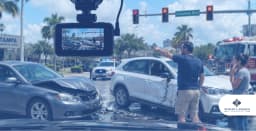
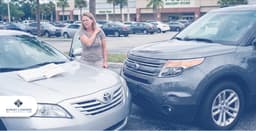
Take Photos and Videos: Everyone has a smartphone now. Use it. If you were in a car wreck, take pictures of the cars and the road conditions. Visual evidence is hard to argue with.
Get Names and Numbers: If there were witnesses, ask for their information. People are usually willing to help in a disaster.
Contact the lawyer: Once you are safe and you have seen a doctor, call my office. Do not talk to the insurance company first.
Let Me Be Your Shelter
There is nothing more vulnerable than being injured while fleeing a hurricane. You should not be forced to pay the price for someone else's negligence. Do not let the insurance companies bully you. Do not let them tell you it was just the storm. If you were injured during the evacuation, call Robert Johnson, Esq. to schedule a free, no-obligation consultation. We will sit down and I will listen to your story.
Our team will look at the facts and tell you the truth about your options. We will weather this storm together. We will fight for you to ensure you get the justice and the financial support you need to rebuild your life.
Disclaimer: This article is for general informational purposes and does not form an attorney-client relationship. For help with any personal injury case, reach out to Robert Johnson.