January 24, 2026
Can Tenants Sue Landlords for Unsafe Staircases in Florida?
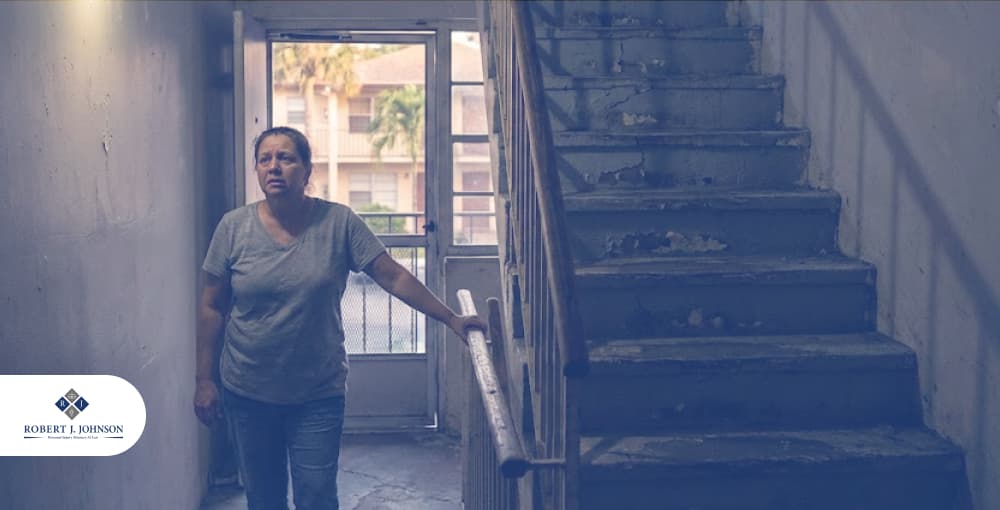
According to Florida Statutes, the landlord has an obligation to maintain the premises. It says a landlord must comply with the requirements of applicable building and housing codes. It also says they must maintain roofs and windows and doors and floors and steps and porches.
If a step breaks when you step on it, then it is not capable of resisting normal forces. That is a violation of the statute. So, the short answer is yes. You can sue a landlord for unsafe staircases in Florida. But winning that lawsuit requires us to prove specific legal elements.
I am a personal injury attorney here in Florida. I have spent my career fighting for tenants who were hurt because property owners cut corners. I wrote this guide to help you understand your legal standing.
(1) Understand Negligence in Staircase Cases
So, we do not sue landlords just because an accident happened. We sue them for negligence. Negligence means they failed to exercise reasonable care. To win your case, we have to prove four distinct things.
First is duty. We established this with the statute I mentioned above. The landlord has a duty to provide a safe place for you to live.
Second is breach. This is where things get specific. We must show the landlord failed that duty. A breach could be a broken step. It could be a loose railing. It could be poor lighting that made you miss a step.
Third is causation. We must prove the specific defect that caused your fall. If you fell because you were dizzy, that is not on the landlord. If you fell because the step rotted through, then that is causation.
Fourth is damage. You must have suffered actual harm. This includes physical injury and lost wages, and pain and suffering. If you fell but got up without a scratch, there is no case.
(2) The Critical Issue of Notice
The biggest hurdle in these cases is often the concept of notice. This is the part that surprises many clients. You cannot just show the stairs were broken. You have to prove the landlord knew they were broken. Or you have to prove they should have known.
We deal with two types of notice in Florida law.
(i) Actual Notice
This is the strongest form of evidence. Actual notice means the landlord was told about the problem. Maybe you sent a text message about a wobbly rail, wrote an email about a dark stairwell, or had a neighbor complain last month.
If the landlord knew and did nothing, then they are liable. This is why I tell every tenant to put repair requests in writing. A phone call is hard to prove. An email is permanent evidence.
(ii) Constructive Notice
This is more common. Often, the landlord will say they had no idea the stairs were dangerous. We use constructive notice to counter this. Constructive notice means the problem existed for so long that a responsible landlord would have found it.
Landlords have a duty to inspect their property. They cannot close their eyes and claim ignorance. If the wood on your outdoor stairs is visibly rotted and black, then it has been that way for months.
A reasonable inspection would have revealed the danger. Therefore, the law treats them as if they knew.
(3) Common Staircase Defects We See
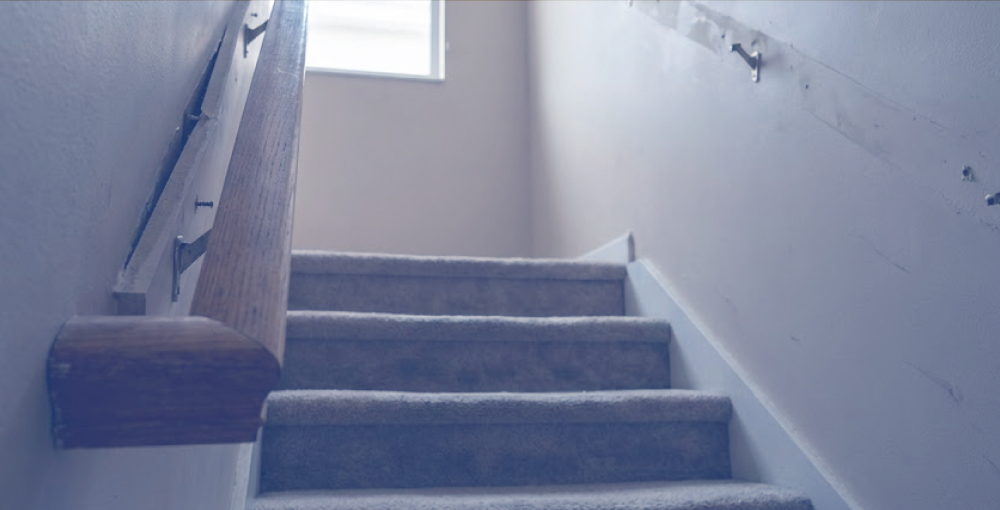
I see many different types of staircase failures in my practice. Each one presents unique dangers.
Missing or Loose Handrails
Florida building codes are strict about handrails. You need them for stability. Sometimes a landlord will secure a rail into drywall instead of a stud. It looks fine until you put weight on it. Then it rips out. Other times, the rail is missing entirely. This is a code violation.
Uneven Riser Heights
Building codes require steps to be uniform in height. If one step is an inch higher or lower than the rest, it creates a trip hazard. You might not even see it. But your foot will catch the edge or land too hard. This is a construction defect that the landlord is responsible for fixing.
Poor Lighting
If the bulb burns out and the landlord ignores it for weeks, that is negligence. You cannot avoid a hazard you cannot see. Dark staircases are a major cause of falls in apartment complexes.
Slippery Surfaces
The carpet on the stairs can become loose. Wooden treads can become polished and slick. Outdoor stairs can grow algae or mold in the Florida humidity. The landlord must maintain traction on these surfaces.
Rotting Wood
This is very common in Florida. The humidity and rain attack outdoor wooden staircases. Landlords often paint over the rot to make it look nice. But paint does not provide structural integrity. If you step through a rotted plank, the injuries can be severe.
(4) The Obstacle of Comparative Negligence
We have to talk about a recent change in Florida law. It is called modified comparative negligence. This is a defense the insurance companies will use against you. They will try to blame you for the fall.
They will say you were not looking where you were going, or were carrying too many groceries, or wearing unsafe shoes. They will say the defect was "open and obvious" and you should have avoided it.
Under the old law, you could still recover some money even if you were mostly at fault. That has changed. Now we have the 51% rule. If a jury finds you are more than 50% responsible for the accident, you get nothing.
(5) The Damages We Can Recover for You
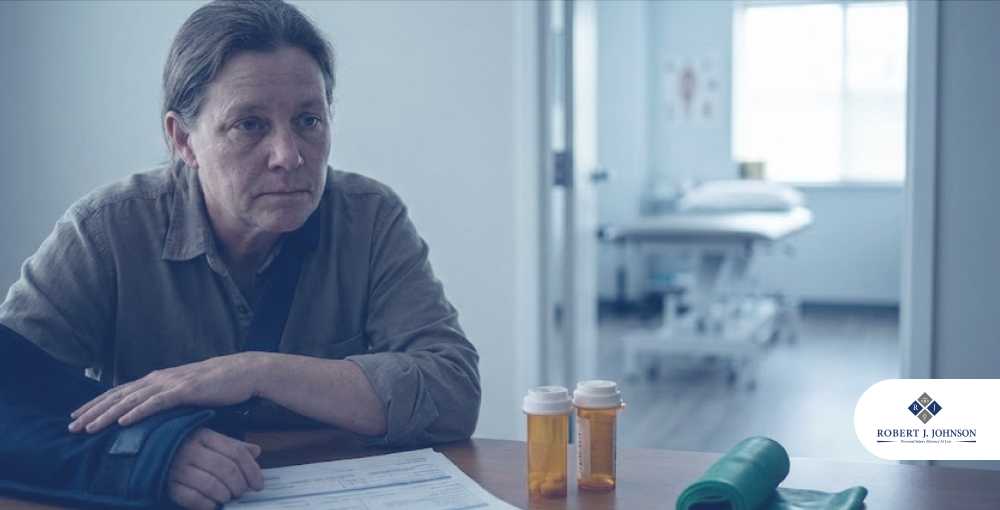
When we file a lawsuit, we seek compensation for all your losses. We seek payment for the ambulance, the emergency room, and the surgery. We also calculate the cost of future care. If you need physical therapy for a year, that should be paid for.
You cannot work if you are in the hospital or if you are in a cast. We calculate the income you lost. We also look at your future earning capacity. If you can never do your old job again, you deserve to be compensated for that loss.
This is the human cost. It is the physical pain of the injury, emotional distress, and anxiety of not being able to walk, and loss of enjoyment of life. Florida law recognizes that this suffering has value.
(6) Why You Need a Professional
You might think you can handle this alone. You might think the insurance company will be fair. I have to tell you that is rarely the case. Insurance companies are businesses. Their goal is to pay you as little as possible.
They will offer you a small settlement that does not cover your future medical bills. Once you sign that release, it is over. You cannot go back for more.
As a personal injury lawyer, I handle all the communication with the insurance company. I gather the medical records, hire the experts, inspect the property, and build the case while you focus on healing.
We also know how to find insurance coverage. Sometimes the landlord does not have enough insurance. We look for umbrella policies and property management liability. We explore every avenue to find the compensation you need.
(7) Take the Next Step

I know this is a stressful time for you. You are dealing with pain and financial worry. You do not have to carry that burden alone. The law provides a path to recovery.
I offer free consultations. I will review your photos and your lease and give you an honest assessment of your case. Do not let a negligent landlord get away with it. You have rights under Florida law. We are here to protect them.
If you or a loved one fell on an unsafe staircase, call my office. Remember, evidence disappears, witnesses move away, and the statute of limitations is ticking. The sooner we start, the better your chances.
Disclaimer: This article is for general informational purposes and does not form an attorney-client relationship. For help with any personal injury case, reach out to Robert Johnson.