December 29, 2025
The Legal Risks of Leaving the Scene: What to Know About Hit-and-Run Accidents in Florida
The legal risks of leaving the scene are something I deal with almost every month as a Florida personal injury attorney. Many people share the same story. They panic after a small crash, think no one is hurt, and keep driving. At first, it feels harmless. Later, letters from insurance companies and calls from law enforcement arrive, and the fear becomes real.
In Florida, the rule is simple. If you are in a crash, you must stop, check for injuries, and exchange information. Leaving makes everything harder and often turns a small problem into a serious one. I have seen drivers lose their licenses, face criminal charges, and carry regret for years.
1) Florida Hit-and-Run Laws You Must Follow
When people ask me what counts as leaving the scene, I tell them it can be as simple as backing into a parked car and driving away without leaving a note. Florida law requires every driver involved in a crash to stop, stay at the site, and share their information with the other party.
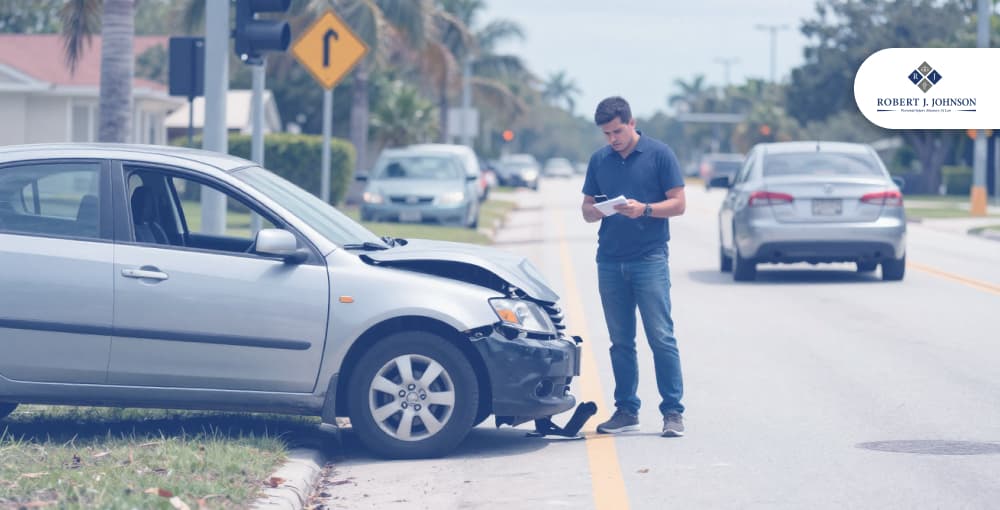
Imagine bumping into another vehicle at a red light. Even if the damage looks small, you must pull over safely, check on everyone, and exchange names, phone numbers, and insurance details. The same rule applies if you hit a mailbox, fence, or even a shopping cart that causes property damage.
The law separates cases into three main categories. Crashes with property damage, crashes causing injury, and crashes causing death. The higher the harm, the greater the penalty. I always remind clients that staying put is not only the legal choice, it is the right one. What happens next often decides everything.
2) Common Mistakes When Leaving the Scene of an Accident in Florida

I often see drivers make choices that seem harmless at the time and create serious problems later. Some think a small scratch does not count as a crash. Others believe that leaving the scene is fine if no one saw what happened. I have also met people who decide to handle insurance on their own without proper documentation or fail to call the police for minor injuries.
These mistakes can quickly escalate. A minor fender bender turns into a police report, a civil claim, or an insurance dispute. I once represented a client who left a small dent in a parking lot, thinking it would be easier to forget about it. Weeks later, the other driver filed a claim, and the police were involved. What started as a minor accident became a stressful legal and financial problem.
According to the CDC, adults who ignore basic crash reporting rules and leave the scene face risks similar to major lifestyle hazards, the same category as smoking or obesity (CDC, Physical Activity Guidelines for Americans, 2nd Edition). This shows that skipping the proper steps is not minor in the eyes of the law or your future.
Recognizing these common mistakes is important because it shows how much difference a single decision can make in the outcome. Staying calm and acting correctly from the start is far more powerful than trying to undo a mistake later.
3) Real Consequences of a Hit-and-Run Accident in Florida
The penalties for leaving the scene go far beyond fines and tickets. I have seen how one quick decision can follow someone for years.
Here is what usually happens
Criminal charges: Even a minor hit and run can lead to jail time or probation. Serious crashes can result in felony charges. For example, I once handled a case where a driver thought a parking lot scratch was minor. That same minor incident became a felony because he left the scene.
License suspension: Many drivers lose their licenses for years. This can affect commuting, job opportunities, and day-to-day life. Losing your license often feels worse than the initial crash itself.
Insurance trouble: Leaving the scene can trigger canceled coverage, denied claims, or skyrocketing premiums. I have had clients whose insurance refused to pay for repairs simply because they drove away without reporting.
Civil lawsuits: Victims or their families may sue even after criminal penalties are applied. One driver I represented had to deal with a civil claim months after the police case was closed. This often adds emotional stress on top of financial consequences.
One client of mine left after scraping another car in a parking lot. He thought it was nothing. Weeks later, he faced both a police report and a lawsuit for property damage and emotional distress. It is rarely the crash itself that ruins someone’s record. It is the moment they decide to leave.
Even small choices matter more than you might think. The American Heart Association recommends careful reporting and safety practices after any crash, which may seem tedious at the time. However, it can protects your rights and your life in the long run (American Heart Association, Road Safety Guidelines).
There are clear steps you can take to handle a crash the right way.
4) How to Report a Car Accident and Protect Your Rights in Florida

No one plans for an accident, yet how you react in those first few minutes makes all the difference. If you are ever involved in a crash, take a breath and do the following.
Stop safely and secure the scene: Pull over, turn on hazard lights, and prevent further accidents. Even a small fender bender can become worse if you leave your car in traffic.
Check for injuries: Call 911 immediately if anyone needs medical attention. I always remind clients that even minor injuries can be serious and may not show up immediately.
Exchange information: Share your name, phone number, and insurance details. Write down the other driver’s information too. A simple exchange prevents bigger problems later.
Document the scene: Take photos of vehicles, license plates, and damage. Note the time and location. This evidence can protect you in disputes or insurance claims.
Report the crash: Notify the police and your insurance company, even for minor damage. One of my clients avoided months of confusion because she reported a small accident immediately.
Stay calm and polite: Avoid admitting fault until you know the facts. Acting respectfully can make a difference in how law enforcement and insurance handle the case.
Legal Advice for Hit-and-Run Cases in Florida from Attorney Robert Johnson
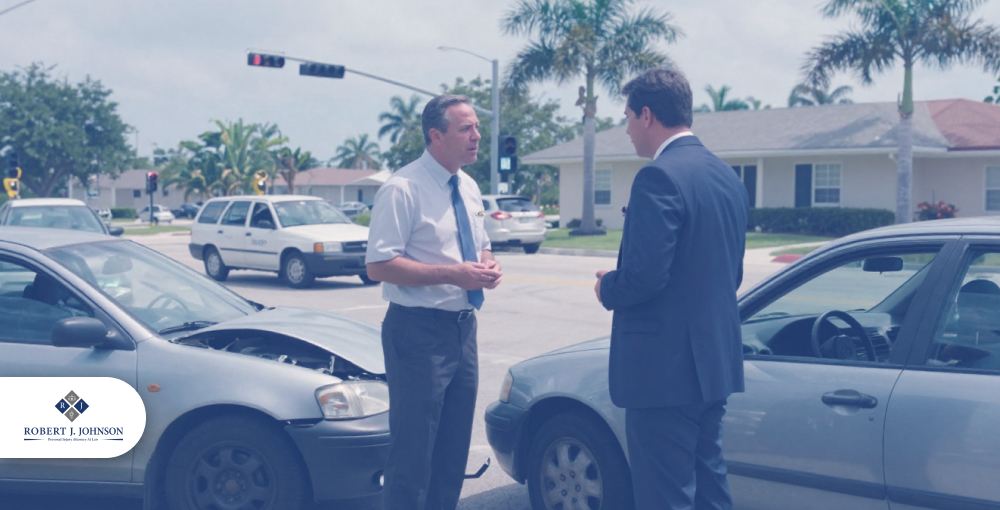
I’ve seen all kinds of hit-and-run cases. Some people panic, others just don’t know what to do. Panic fades; however, the consequences of leaving the scene can last for years. Florida law gives you a chance to make the right choice, and that choice matters more than most people realize.
I remember a young father coming home after a long shift. He scraped a parked car in his apartment lot and thought it was too late to deal with it. Police arrived before he could act, and what seemed like a small mistake turned into a criminal charge, affecting his job and his confidence as a parent. Later, he told me that stopping for just a few minutes would have avoided months of stress.
Being honest protects you far more than driving away. Stopping shows responsibility, helps the other person, and keeps the facts clear. It also gives your attorney, like me, a stronger foundation to guide you. My work focuses on helping people recover from accidents and the choices they make in the moment. If you or someone close to you is facing a hit-and-run situation, call or visit Robert Johnson Law to discuss your options and move forward with clarity and control.