
March 7, 2026
The Hidden Costs of Spinal Cord Injuries: Beyond Immediate Medical Bill
1.4 million dollars. That is the average price tag for the first year of life for a person surviving high tetraplegia. As a lawyer, I see people at their lowest moments, but those moments are often clouded by the immediate trauma.
I am Robert J. Johnson, and I want you to understand that the hidden costs of spinal cord injuries are like an iceberg lurking beneath the surface of your recovery. While the initial hospital bills are staggering, they are only a fraction of the total lifetime burden. We must look decades ahead to ensure you are protected.
1) The Immediate Medical Burden and the Million-Dollar First Year
When a catastrophic accident happens, the focus is naturally on survival. Emergency rooms, intensive care units, and multiple surgeries create a mountain of paperwork that can overwhelm any family.
According to the National Spinal Cord Injury Statistical Center (NSCISC), the financial impact is immediate and staggering:
High Tetraplegia (C1–C4): The average first-year cost is approximately $1,410,163.
Paraplegia: Even for less extensive injuries, the initial year of care typically exceeds $687,000.
Why the First Year is So Costly
The primary drivers of these million-dollar price tags include:
Acute Medical Care: High-intensity stabilization and multiple neurological surgeries.
Specialized Rehabilitation: Months of intensive physical and occupational therapy in specialized facilities.
Adaptive Equipment: The need for power wheelchairs ($30,000+), hospital-grade beds, and respiratory equipment.
Home & Vehicle Modification: Structural renovations to make living spaces and transportation accessible.
These figures only account for direct medical care and living expenses. They do not capture the sheer complexity of coordinating that care. Many of my clients initially believe their health insurance will cover everything, but they soon discover gaps in coverage for specialized rehabilitation or experimental treatments. This is one reason why you should never ignore minor pain after a car accident.
2) Transforming Your Home and Vehicle for an Accessible Future

Most people live in homes that were designed for people who can walk and climb stairs without assistance. After a spinal cord injury, your home can suddenly feel like a series of obstacles. Making a residence truly accessible is a massive undertaking that goes far beyond a simple front door ramp. You might need to widen every single interior doorway to accommodate a power wheelchair, which can cost between $700 and $2,500 per door.
Bathrooms often require a total renovation to include a roll-in shower, a raised toilet, and reinforced grab bars. These bathroom projects frequently range from $10,000 to $25,000 alone. We also have to consider the kitchen. Lowering countertops and installing appliances with front controls are essential for someone who wants to maintain their independence.
Furthermore, smart home technology is a necessity for safety. Voice-activated systems, door locks, and thermostats allow a person with limited mobility to manage their environment without relying on others. If your injury occurred due to negligence in a public space, such as a Florida parking lot accident, the responsible party should be held accountable for these expensive but necessary lifestyle changes.
3) The Lifetime Impact on Professional Career and Earning Capacity
One of the most profound hidden costs of a spinal cord injury is the permanent loss of income. Many survivors are injured during their most productive working years. When you can no longer perform the duties of your previous job, you lose more than just a weekly paycheck. You lose your career path, your retirement contributions, and the social connections that work provides.
Even if you are able to return to work in some capacity, you may face a significant reduction in pay. This is known as diminished earning capacity. We must calculate the difference between what you would have earned over your entire life versus what you can realistically earn now.
This calculation includes lost raises, bonuses, and the cost of vocational retraining if you need to learn a completely new trade. When we calculate damages in a personal injury lawsuit, we use economic experts to ensure these future losses are part of your recovery. According to NBER: Disability, Earnings, Income, and Consumption, a person who becomes permanently disabled at age 25 may lose between 1.8 million and 2.5 million dollars in lifetime wages.
4) Ongoing Healthcare Needs and High-Cost Medical Equipment
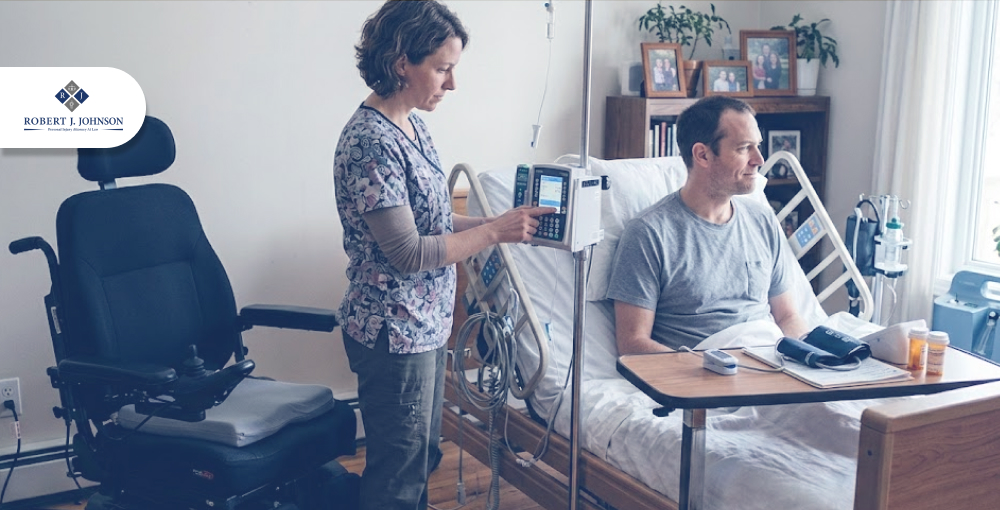
A spinal cord injury is not a static condition. It requires a lifetime of maintenance to prevent secondary complications.
For example, up to 80% of people with these injuries will develop a pressure sore at some point in their lives. Treating a severe pressure sore can require hospitalization and surgery, adding tens of thousands of dollars to your medical debt.
You also have to consider the recurring cost of durable medical equipment.
A high-quality power wheelchair is not a one-time purchase. These devices typically need to be replaced every 3 to 5 years.
A single chair can cost between $15,000 and $50,000 depending on the specialized features required.
Beyond the big-ticket items, the daily cost of consumable supplies like catheters, skin care products, and specialized medications adds up quickly.
Many families find that these smaller daily expenses create a constant financial drain that insurance companies often try to ignore during settlement negotiations.
5) Measuring the Emotional Toll and the Loss of Life Quality
We cannot put a price on the ability to play with your children or walk through a park, but the legal system must find a way to acknowledge these losses. These are called noneconomic damages. The emotional impact of a spinal cord injury can lead to long-term depression, anxiety, and post-traumatic stress disorder.
Professional counseling for the survivor and their family is an essential part of the recovery process.The injury also changes the dynamics of your relationships. If a spouse has to quit their job is to provide care; that is another layer of hidden economic loss.
My goal is to make sure the law treats you as a whole person. We seek compensation for the loss of enjoyment of life and the loss of consortium to ensure your family has the support they need to stay together and stay strong during this transition.
6) Why Future Financial Security Requires a Life Care Plan

Insurance companies are famous for offering quick settlements. They want you to sign a release while you are still in the early stages of your recovery. Once you accept that money, you can never ask for more, even if your condition worsens or your equipment breaks down.
A proper life care plan factors in the rising cost of healthcare and the specific medical complications associated with your level of injury. It ensures that your settlement covers the cost of a new wheelchair every few years and the salary of an in-home health aide.
We protect you from running out of money when you are older and most vulnerable. You should be focusing on your physical rehab and your family while I handle the complex financial forecasting required to secure your future.
FAQs About Spinal Cord Injury Costs
How does a lawyer prove the need for home modifications?
We work with occupational therapists and accessibility experts who visit your home to assess your specific needs. They create a report outlining necessary changes such as widened hallways, bathroom renovations, and smart technology. ty.This report serves as evidence to show the insurance company.
Can I recover money for the time my family spends caring for me?
Yes, you can often recover damages for the value of caregiving services provided by family members. This is recognized because if your family did not provide that care, you would have to hire a professional nursing service.
What happens if my medical needs change after I settle my case?
This is the biggest risk of a quick settlement. Once a case is settled and a release is signed, you generally cannot reopen the claim to ask for more money. This is why it is critical to have a comprehensive life care plan in place before you agree to any final amount.
Protecting Your Future with Robert J. Johnson
Surviving a spinal cord injury is an act of incredible strength, but you should not have to be strong enough to fight a legal battle alone. The financial road ahead is long and filled with costs that most people never consider until they are faced with them. We are committed to helping you uncover these hidden burdens and holding the responsible parties accountable.
Contact my firm today to discuss your case and learn how we can help you secure the compensation you need to move forward with confidence.
Disclaimer: This article is for general informational purposes and does not form an attorney-client relationship. For help with any personal injury case, reach out to Robert Johnson.