Personal Injury Law | Tampa, Florida
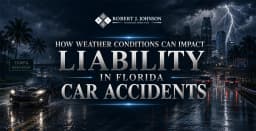
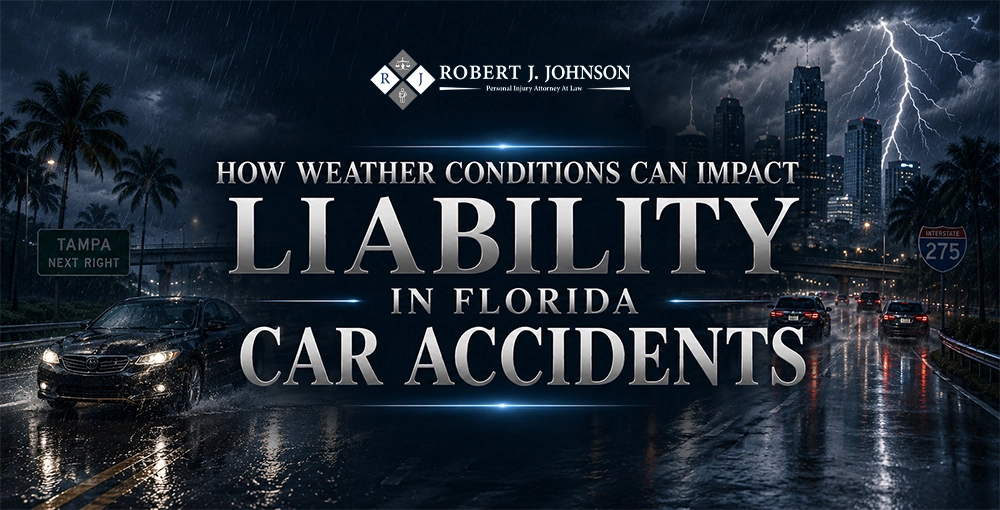
How Weather Conditions Can Impact Liability in Florida Car Accidents
Evaluating Driver Responsibility, Road Conditions, and Comparative Fault in Florida Storms
Published June 15, 2026 | Updated July 28, 2026 | Robert J. Johnson Law | Florida Personal Injury Claims
Weather conditions can impact liability in Florida car accidents. Because it shifts the fault to the driver who failed to adjust. Bad weather doesn’t excuse negligent driving. Florida law requires every driver to adjust their speed and behavior to the road conditions.
Important Points
- Florida law holds drivers responsible even in bad weather
- Rain, fog, and standing water are the most common hazard types
- Driving too fast for conditions is the leading weather-related fault claim
- Florida's comparative fault rule means you may share some responsibility
- You can still recover damages even if you are partly at fault
- Contact Attorney Robert Johnson for a free Tampa consultation
Does Bad Weather Actually Excuse a Florida Driver from Fault?
Most Tampa drivers ask this the moment after a rainy-day crash. And honestly, no, bad weather does not get you off the hook in Florida. Courts here do not treat rain or fog as a free pass. Every driver has a legal duty to adjust. That means slowing down, increasing your following distance, and staying alert. Pushing 70 on a rain-soaked I-275 when you can barely see the car ahead of you is negligent.
The Florida Department of Highway Safety and Motor Vehicles is clear on this. The weather does not pause your duty of care. It follows you down every road in this state, from Tampa Bay Boulevard all the way up to the stretches of US-19 running through Pasco County.
Attorney Robert Johnson has seen this play out dozens of times. Drivers try to point at the storm and walk away from blame. It rarely works. The evidence almost always tells a different story.
Of all U.S. vehicle crashes involve adverse weather conditions (FHWA Report 2024)
Of weather crashes occur on wet pavement, making rain Florida's top road hazard
Florida modified comparative fault limit for recovering personal injury damages
Consultation available 24/7 with Attorney Robert Johnson for Tampa injury claims
What Florida Weather Conditions Most Often Cause Car Accidents?
Florida weather is not subtle. The state throws everything at its drivers. Afternoon thunderstorms appear with almost no warning. Hurricane season runs from June through November. Fog rolls in off Tampa Bay on cool winter mornings. Sun glare on eastbound Hillsborough Avenue can blind you at 7:45 a.m.
Our survey of car accident patterns at Attorney Robert Johnson's Tampa office shows a clear picture. Rain-related crashes account for the largest share of weather-connected claims. Fog and standing water follow close behind. Each carries its own liability dynamics.
| Weather Condition | Common Driver Error | Likely Liability Outcome |
|---|---|---|
| Torrential Rain | Failing to reduce speed | Driver at fault |
| Thick Fog | No headlights or hazards | Strong negligence finding |
| Standing Water | Ignoring flood signs | Driver largely liable |
| High Winds | Losing control of a tall vehicle | Contested, often shared |
| Sun Glare | No visor or sunglasses used | The driver is liable |
| Hurricane Approach | Driving under an evacuation order | Severe fault exposure |
Florida drivers often forget that sun glare is a weather-related hazard. Courts treat it the same way they treat rain. If you could have adjusted and chose not to, liability follows. The National Weather Service in Tampa Bay issues regular road condition alerts. Ignoring those alerts weakens any defense.
How Does Florida's Comparative Fault Rule Apply to Weather Accidents?
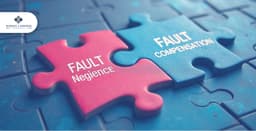
Florida follows a modified comparative fault system under Florida Statute Section 768.81. If you are found to be 51% or more at fault for the crash, you cannot recover damages. Below 50%, your recovery is reduced by your share of fault.
Weather-related crashes often involve shared fault. You may have been driving a little fast. The other driver may have had no taillights on in the rain. Both of those facts matter in court. Your attorney’s goal is to reduce the percentage you are assigned and increase your recovery. Learn more about how comparative fault works when multiple parties share blame.
Attorney Robert Johnson's team knows how to gather and present the right evidence. That means police reports, road condition data, and witness statements are gathered quickly. Florida weather evidence fades fast. Rain stops. Roads dry. You need an attorney on the case early.
If your crash involved a truck or commercial vehicle, fault analysis gets more complex. Trucking accident claims involve federal driving regulations that the weather does not excuse. Carriers cannot ask their drivers to push through dangerous conditions just to meet a delivery window.
“Bad weather is never a blank check for reckless driving. Under Florida law, drivers must adapt to rain, fog, and flooded roads. When they fail to do so, we hold them fully accountable for the injuries they cause.”— Robert J. Johnson, Esq. — Florida Personal Injury Attorney
Involved in a Weather-Related Crash in Tampa?
Attorney Robert Johnson fights for accident victims 24 hours a day, 7 days a week.
How Much of the Fault Can a Florida Driver Carry in Weather Crashes?
Liability in weather-related cases is rarely all-or-nothing. Courts look at each driver's choices. Speed. Headlight use. Following distance. Tire condition. All of it comes into play. The chart below shows how courts tend to assess driver fault across common Florida weather scenarios.
Florida Weather vs. Driver Liability Spectrum
How much fault courts may assign to the at-fault driver
| Driver Choice / Scenario | Court's Fault Assessment | Legal Consequence |
|---|---|---|
| Driving posted speed in heavy rain | High driver fault | Duty to adjust speed to conditions |
| No lights/hazards in thick fog | Severe negligence finding | Failure to maintain vehicle visibility |
| Driving during evacuation order | Extreme driver fault | High exposure to comparative fault bar |
| Unmaintained tires on wet roads | Substantial liability | Vehicle maintenance negligence |
| Tailgating on slippery pavement | Primary crash cause | Failure to maintain safe stopping distance |
Out on the road during a hurricane? That choice might cost more than gas. When Hillsborough or Pinellas issues an evacuation order and drivers ignore it, judges tend to see that move as bold - maybe too bold. Getting into a crash under those conditions shifts blame fast. Not heeding warnings stacks the odds against you in court. Driving then is a decision with legal weight behind it.
The Insurance Information Institute notes that determining fault in weather crashes requires a thorough look at driver behavior, not just road conditions. Attorney Robert Johnson conducts that investigation for every client.
of weather-related crashes happen on wet pavement, making rain the single biggest road hazard in Florida.
What Should You Do Right After a Weather-Related Car Accident in Florida?
Your actions in the first hour after a crash shape your entire case.
- ✓Call 911 and get a police report filed immediately. Read about filing an injury claim without a police report.
- ✓Document road and weather conditions with your phone camera.
- ✓Capture the other driver's speed before impact if witnesses saw it. Learn how witness statements influence your case outcome.
- ✓Seek medical attention even if you feel fine right now.
- ✓Avoid admitting fault to anyone at the scene or to insurers.
- ✓Call a Tampa personal injury attorney before giving any recorded statement.
If your crash involved a DUI driver caught in the rain, the liability dynamics shift significantly. Attorney Robert Johnson handles DUI accident cases across Tampa Bay. A drunk driver cannot use rain as a shield. The weather may have played a role. The impairment made it far worse. That matters enormously in court. Read about punitive damages in Florida personal injury cases.
One thing our survey data from this firm consistently shows is that clients who document conditions right after a crash receive stronger case outcomes. Photograph the standing water. Note the time of day and weather forecast. Save your weather app screenshot. These details cost nothing to capture. They can be worth thousands in a claim.
Why Choosing a Tampa Attorney Matters for Weather-Related Crash Claims
Tampa weather litigation is its own specialty. A local attorney knows which intersections flood every August. They know which stretches of I-4 are notorious for fog. They know what Sun City Center roads look like after a tropical storm. Attorney Robert Johnson knows how Hillsborough County judges read weather evidence. He knows how to present a rain-related crash case so it lands with a jury.
If someone you loved died in a weather-related crash, wrongful death claims carry their own legal requirements and timelines. Do not wait. Florida's statute of limitations moves fast. Robert Johnson offers free consultations. You pay nothing unless your case wins. Also check how insurance policy limits affect your injury compensation.
Protect Your Rights After a Weather Crash
Attorney Robert Johnson has fought for Tampa, Clearwater, and St. Petersburg accident victims for over 20 years. You pay nothing unless he wins.
Frequently Asked Questions
Can I sue the city if a flooded road caused my Florida car accident?
Maybe. When a public agency skips upkeep on water flow systems or overlooks clear flooding risks, blame could fall partly on them.
How does Florida PIP insurance apply to weather crash injuries?
In Florida, your personal injury protection pays for eighty percent of medical bills while also handling 60% of the income you lose. Fault doesn’t matter when it comes to the accident that caused the crash.
What if the road itself were dangerous due to poor drainage?
A government entity may share liability. A Florida attorney can assess municipal negligence claims alongside driver fault.
Disclaimer: This blog is for informational purposes only and is not legal advice. Contact Robert Johnson Law for guidance on your specific case.